
Summer Power Outage in Australia: Staying Safe in Extreme Heat

A summer blackout becomes dangerous when air conditioning, refrigeration, communications, and medical equipment stop during extreme heat. Prioritise cooling and hydration, confirm the outage, protect medicines and food, use backup power safely, and move to a cooler location if your home becomes unsafe.
When the power goes out during an Australian summer heatwave, losing electricity is only the beginning. As indoor temperatures climb, keeping your family cool, protecting refrigerated food, and staying connected can quickly become difficult.
And what if the blackout lasts for hours, with no clear restoration time? Knowing how to manage the heat, protect vulnerable family members, and prepare reliable backup power can make a significant difference to your household's safety.

Why Is a Summer Blackout More Dangerous?
Unlike a power outage in mild weather, a summer blackout removes essential cooling when outdoor temperatures are already dangerously high. Without fans or air conditioning, heat can build up indoors, increasing the risk of dehydration, heat exhaustion, and potentially life-threatening heatstroke.
The danger also extends beyond indoor temperatures. Refrigerators and freezers begin losing their ability to preserve food, while temperature-sensitive medicines may become unsafe. Medical devices that rely on electricity can stop working, and depleted phone batteries may make it harder to receive emergency updates or contact help.
These risks become more serious the longer the outage continues, particularly for older adults, babies, young children and people with existing health conditions. If someone develops confusion, collapses, has seizures or shows other signs of heatstroke, call Triple Zero (000) immediately.
Extreme heat can also put pressure on electricity systems. As temperatures rise, more households and businesses may run air conditioning at the same time, increasing electricity demand during already hot conditions. AEMO's analysis shows that demand sensitivity varies across regions, so the effect is not the same everywhere. However, a heatwave does not automatically mean a blackout will occur: outages can also result from equipment faults, bushfires, storms and other local events. Preparing for an interruption is more useful than assuming a particular location will lose power.
What to Do When the Power Goes Out in Extreme Heat
The safest response follows a simple priority: confirm what has failed, reduce heat exposure, protect health-critical items, and use electricity only where it materially improves safety.
Confirm the Outage and Check Heat or Emergency Warnings
Check whether the fault is limited to your property or affects the local network. Use your electricity distributor's outage page, SMS service or phone line for restoration information. For heatwave forecasts and warnings, check the Bureau of Meteorology's heatwave service and its national warnings and alerts. Follow relevant state emergency advice if a heatwave, bushfire or other local emergency is affecting your area.
Keep the Coolest Room Shaded and Closed Off
Close curtains, blinds and sun-exposed windows during the hottest part of the day, and move people to the coolest room, often on a lower level or southern side. Minimise oven and stove use because they add indoor heat. When outdoor air becomes cooler than indoor air, ventilation can help, provided security and smoke conditions allow it. These passive measures reduce the cooling load even if a fan or air conditioner later becomes available.
Hydrate and Watch for Heat-Illness Symptoms
Drink water regularly even before you feel thirsty, unless a doctor has told you to restrict fluids. Use cool showers, damp towels, or cool packs to lower body temperature. Headache, dizziness, weakness, nausea, and heavy sweating can indicate heat exhaustion. Confusion, loss of consciousness, seizures or a very high body temperature may indicate heatstroke and require emergency help. A heatwave power outage should be treated as a health event first and an inconvenience second.
For authoritative guidance on recognising heatstroke and providing first aid, see Healthdirect's heatstroke guidance. Heatstroke is a medical emergency: call Triple Zero (000) if you suspect someone is experiencing it.
Protect Food, Medicines and Drinking Water
Keep fridge and freezer doors closed as much as possible. Move only essential temperature-sensitive items to an insulated cooler if you have a safe cold source. Many medicines have storage limits, so contact a pharmacist or doctor if you think they have been exposed to excessive heat. Do not rely on taste or smell alone to judge spoiled food. Keep drinking water accessible, especially if pumps or building water systems depend on electricity.
Use Backup Power Safely for Essential Loads
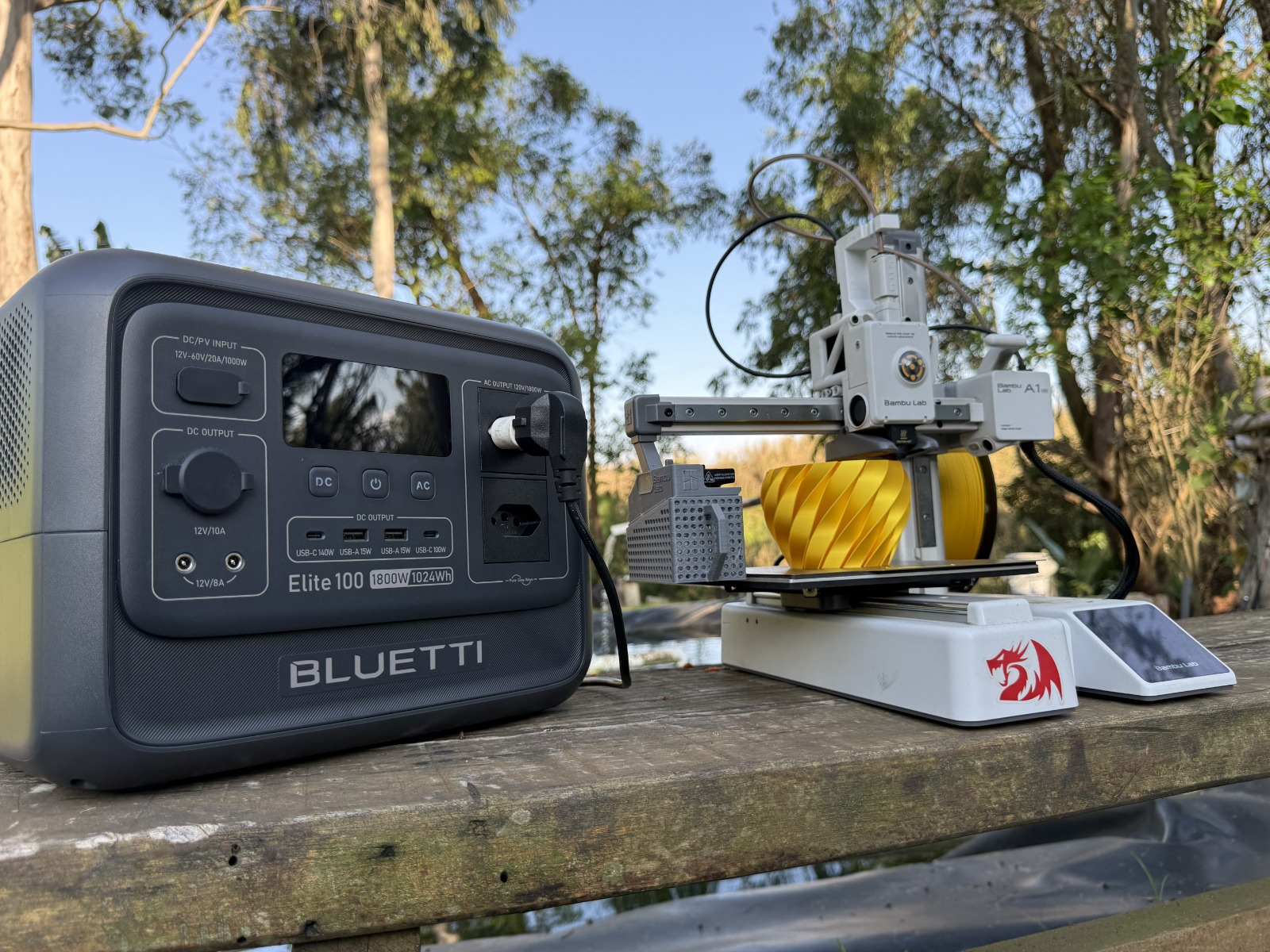
Prioritise a fan, fridge, communications, and other clearly identified essentials before discretionary appliances. A portable power station can supply selected plug-in loads without fuel or exhaust, but its rated output and remaining energy still set hard limits. Do not connect a portable source into household wiring through an improvised lead. If a generator is used, operate it outdoors well away from windows and doors to prevent carbon-monoxide poisoning.
Move to a Cooler Location if the Home Becomes Unsafe
If indoor conditions keep worsening, do not stay simply because some battery capacity remains. Libraries, shopping centres, community facilities or another air-conditioned location may be safer if they are open and reachable. People at high medical risk should have a lower threshold for leaving. Plan transport before phone charging, lifts, garage doors or public services become harder to use. During a power outage during a heatwave, leaving early can be safer than waiting for symptoms.
Who Needs a Specific Heatwave Outage Plan?
Heatwave blackouts pose extra challenges for people who depend on others, powered care or accessible transport. Their emergency plans must address those dependencies.
Older People, Babies and Young Children
Older adults, babies and young children need extra preparation because they may struggle to regulate body temperature or recognise and communicate signs of overheating.
Before a heatwave, arrange regular check-ins or caregiver supervision, prepare age-appropriate drinking water and feeding supplies, and identify an accessible air-conditioned location. The plan should also specify who will help them relocate if the home becomes too hot, rather than waiting until symptoms develop.
People Using Medical Devices or Temperature-Sensitive Medicines
Anyone relying on electrically powered medical equipment or refrigerated medicines needs a plan tailored to those specific requirements. Record each device's power consumption, required operating time, and emergency instructions, and discuss suitable backup arrangements with the healthcare provider.
If a home battery backup is part of the plan, confirm device compatibility and available runtime. For refrigerated medicines, ask a pharmacist about safe storage limits and alternative refrigeration. People using registered life-support equipment should also contact their electricity retailer and distributor about available registration arrangements.
People Living Alone, With Limited Mobility or Without Transport
People living alone may have nobody nearby to notice when they need help. Those with limited mobility or no transport may be unable to reach a cooler location independently.
Arrange scheduled check-ins, designate a backup contact, and identify someone who can provide accessible transport. Check whether lifts, powered doors or garage access will work during an outage. The plan should establish when assistance or relocation is needed and who will arrange it.
How to Prepare Before the Next Summer Power Outage
Prepare for a summer blackout by organising cooling supplies, checking medical needs, planning essential backup power and arranging somewhere safer to go if necessary.
Cooling, Hydration and Communication Supplies
Keep drinking water, insulated bottles, cool packs, a battery radio, torches, charging cables and a power bank together in an accessible emergency kit. Before forecast extreme heat, freeze your cool packs, fully charge your devices and test the radio and torches. Prepare a battery-powered or rechargeable fan for additional comfort.
For longer outages, the BLUETTI Elite 200 V2 offers 2,073.6Wh of battery capacity and 2,600W of AC output. It can provide portable backup power for compatible fans, communication devices, and other small essentials when grid electricity is unavailable.


BLUETTI Elite 200 V2 Portable Power Station | 2,600W, 2,073.6Wh
1,000W Max Solar Input
15ms UPS Response Time
6,000+ Life Cycles to 80% Capacity
MPPT Controller, BMS, and More
Ideal for Home Backup and Outdoor Adventures

A Plan for Medicines and Medical Equipment
Identify medicines that require refrigeration and medical devices that depend on electricity. Record their storage requirements, power consumption, and the amount of time they must remain operational.
Keep medication instructions, prescriptions, and emergency contact numbers in your blackout kit. Discuss suitable backup arrangements with your healthcare provider and test approved backup equipment before summer. For refrigerated medicines, ask your pharmacist about appropriate insulated storage and what to do if the required temperature cannot be maintained.
Arrange an alternative source of medical support or a safe location in advance if essential equipment cannot operate throughout a prolonged outage.
Essential-Load Backup Power
Start by listing the appliances you want to keep running, such as a fridge, fan, router, and lights. Record each appliance's wattage and expected operating hours, then calculate its energy consumption:
Energy (Wh) = Power (W) × Runtime (hours)
For example, a household planning to run three essential loads might need:
Essential Load |
Power |
Runtime |
Energy Needed |
Fan |
45W |
8 hours |
360Wh |
Router |
12W |
8 hours |
96Wh |
LED lighting |
16W |
6 hours |
96Wh |
Total |
552Wh |
This example excludes refrigeration. Add your fridge's measured energy consumption, then allow extra battery capacity for conversion losses and reserve. Check that the power station's AC output can support the combined running loads and any appliance starting requirements.
For households needing backup power for several essentials, the BLUETTI Elite 300 provides 3,014.4Wh of capacity and 2,400W of AC output, making it suitable for supporting compatible household appliances during an extended outage.


BLUETTI Elite 300 Portable Power Station 3,014Wh, 2,400W
1,200W Max Solar Input
≤10ms UPS Response Time
6,000+ Life Cycles to 80% Capacity
3kWh Power at 2kWh Portability (Just 26.3kg)
8 Versatile Ports for Plug-and-Play Convenience
XT90 12V/30 A RV Port — Ideal for Van Life & DIY Setups
If longer backup duration or greater output is a priority, the BLUETTI Apex 300 offers 3,840W of AC output and expandable battery storage. Its modular design allows households to increase available energy capacity as their backup requirements grow.


BLUETTI Apex 300 Versatile Power Station | 3,840W 2,764.8Wh
2,400W Max Solar Input
20ms UPS Response Time
6,000+ Life Cycles to 80% Capacity
Expandable Storage
Ideal for Smart Home Energy Management
A Cooler Place You Can Reach Safely
Identify at least two accessible, air-conditioned locations before summer, such as a relative's home, community facility, or shopping centre. Confirm their opening hours and whether they are likely to remain available during extreme heat or local outages.
Plan how everyone will get there if the power is out, especially if your household relies on an electric garage door, lift, or mobility equipment. Keep transport contacts and destination addresses on paper.
Decide in advance when to leave. If indoor temperatures become unsafe or essential medical needs cannot be supported, move to a cooler location rather than waiting for electricity to return.
Conclusion
A summer outage is most dangerous when heat exposure rises faster than the household can manage it. Confirm the outage, reduce heat gain, hydrate, protect medicines and food, and watch vulnerable people closely. Use backup power only for prioritised loads and within its rated limits. If the home becomes too hot or a medical need cannot be supported safely, move to a cooler place or seek medical help. With portable and expandable power solutions, BLUETTI helps households prepare for summer outages. Explore BLUETTI’s backup power range to keep essential devices running when you need them most.
Frequently Asked Questions
Close blinds and curtains, move to the coolest room, drink water regularly, and use cool showers, damp towels, or cool packs. Open windows later, only when outdoor air is cooler and conditions are safe. If the house remains dangerously hot, go to an air-conditioned public place or another cooler location rather than waiting for power restoration.

Shop Products for This Article


You May Also Like