











![[Phased Out] BLUETTI B80P Expansion Battery | 806Wh](http://www.bluettipower.com.au/cdn/shop/files/202310025B80P_2000-2000px_4_4caa0c1c-4dab-4272-9e9b-2b7507e5bd81.jpg?v=1713777870&width=200)
![[Phased Out] BLUETTI B210P Expansion Battery | 2,150Wh](http://www.bluettipower.com.au/cdn/shop/files/2_08cf9ef3-03a4-4489-b641-d3edb8094896.webp?v=1716016566&width=200)






















![[Phased Out] BLUETTI B80P Expansion Battery | 806Wh](http://www.bluettipower.com.au/cdn/shop/files/202310025B80P_2000-2000px_4_4caa0c1c-4dab-4272-9e9b-2b7507e5bd81.jpg?v=1713777870&width=120)
![[Phased Out] BLUETTI B210P Expansion Battery | 2,150Wh](http://www.bluettipower.com.au/cdn/shop/files/2_08cf9ef3-03a4-4489-b641-d3edb8094896.webp?v=1716016566&width=120)














With the electricity costs rising steadily, knowing what you are going to get on your electricity bill can help you create an energy savings plan.
For a typical two-person household in Australia, quarterly bills tend to land anywhere between AUD $400 and $500 — though this depends a lot on the location and the household's electricity usage.
In this article, we explore national and state-by-state averages, look into what drives differences, see how bills are broken down, and have a look at some practical tips to help you reduce your costs.
We'll also consider how portable power solutions can help you cut down on your bill, all while providing you with more energy independence.
2025-2026 Averages and Trends
All across Australia, two-person households can expect to pay around $1,500–$2,000 per year on energy costs, which translates roughly to about $125–$165 per month. This means a quarterly cost of about $400–$500.
Energy usage tends to stay around 12–20 kWh per day, which equates to 5,000–7,500 kWh/year.
Below is a breakdown of typical quarterly bills by state for a two-person household in Australia:
|
Location |
Quarterly Energy Bills |
Notes |
|
NSW |
$400–$500 |
|
|
VIC |
$380–$450 |
|
|
QLD |
$350–$500 |
(with South-east QLD often at the higher end) |
|
SA |
$450–$550 |
generally, among the highest due to network and supply factors |
|
WA |
$300–$450 |
among the lower bounds |
|
TAS |
$320–$450 |
|

The differences in locations are due to a mix of energy sources, network fees, and retail competition. For instance, more isolated states like SA or WA tend to have higher distribution costs, which causes the bills to go up.
In 2026, many households saw modest increases compared to 2025 — though some of the costs have been softened by government-backed relief measures, such as federal and state concessions or vouchers for eligible households.
All households automatically receive up to $150 in federal rebates (two $75 credits) through the end of 2025. Eligible low-income/vulnerable households may get extra state concessions up to $500. Check energy.gov.au for details.
Factors and Bill Breakdown
Your energy costs will depend more on who lives with you, your lifestyle, the type of home, and your appliance use.
Usage Patterns
Most 2-person households in Australia will consume around 12–20 kWh/day. Electricity use spikes during winter and summer months when heating or cooling is in heavy use (e.g., air-con in summer, heaters in winter). And if you work remotely from home, you might see a 20% increase in usage.
Tariffs and Supply Charges
Many energy tariffs will have a fixed "supply" or "daily connection" fee, which can account for up to 30–40% of your total bill (often around $0.80–$1.20/day), while the variable charges for kWh consumed make up the rest of the bill.
Home and Lifestyle

Home features and appliances will also play a major role in the numbers you see on your electricity bill. Detached houses will generally consume more energy than apartments due to larger spaces that often require more heating or cooling.
The quality of insulation, window glazing, and the efficiency of the appliances will all affect daily consumption. Keep in mind that hot water systems, especially older electric storage models, are often one of the biggest energy consumers in many households.
Bill Components
Typically, 60–70% of your electricity bill comes from energy usage, and the remainder from supply charges, network fees, and sometimes discounts or green-energy contributions. If you're on time-of-use tariffs, peak-time use can cost more. Keeping a close eye on your consumption and regularly checking the meter readings can help you spot anomalies and wastage.
Reducing Your Bill
Reducing your electricity bill doesn't have to mean doing costly renovations or expensive technology. Often, a combination of small daily habits and clever planning can result in significant savings on your bills.
Immediate Savings

These can come from simple changes, such as switching to LED lighting. This is one of the quickest ways to save energy and can help save around $100 annually.
Reducing standby power, which is the power used by appliances left plugged in even when "off", is another way to cut costs. Power boards with individual switches or smart plugs help eliminate hidden usage.
The small behavioural changes will add up as well: set your air conditioner to 24–26°C in summer and your heater to 18–20°C in winter. This is because every degree outside these ranges will increase energy consumption.
Cold-water washing, taking shorter hot showers, and line-drying clothes instead of using the dryer will all help keep the costs down.
Short-Term Adjustments
This would look something like making small improvements to your home's energy efficiency. If you're on a time-of-use tariff, running the dishwasher, washing machine, and pool pump on off-peak hours can reduce costs.
Also consider draught sealing around doors and windows. It's inexpensive and yet is highly effective for maintaining indoor temperatures. Replacing the AC with ceiling fans can often replace or supplement cooling.
Medium-Term Improvements
Think about upgrading those older appliances to more modern, energy-efficient models. Installing a smart energy monitor will help provide you with real-time insight into how much electricity each device uses. This will help you identify waste.
Enhancing window shading or using thermal curtains can reduce heat loss in winter and heat gain in summer, thus reducing your reliance on air-conditioning or heaters.
Long-Term Strategies
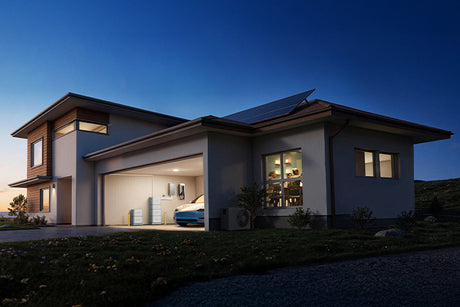
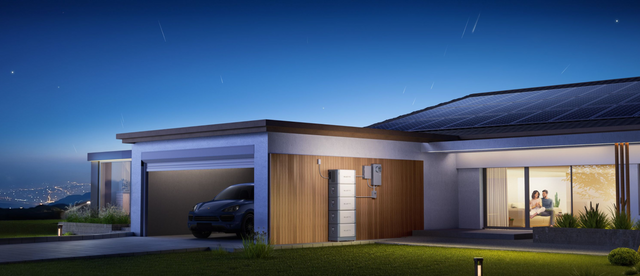
These will provide you with the biggest savings. By installing solar panels, you can reduce your annual electricity costs by $500–$1,000. Of course, this will depend on the size of the system, available sunlight, and household usage.
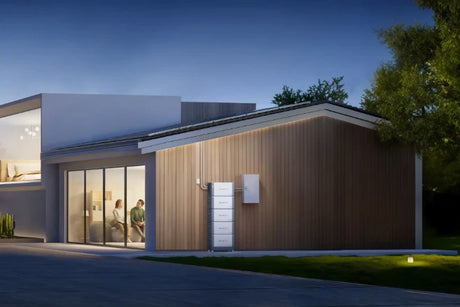
Adding battery storage allows you to store extra energy for use during the evenings.
Comparing Energy Retailers
This ensures you're not paying above-market rates. There are government comparison tools that will help you find plans with fair tariffs, discounts, and no exit fees.
Even small differences in the rates can result in hundreds of dollars in annual savings.
Backup Power for Savings
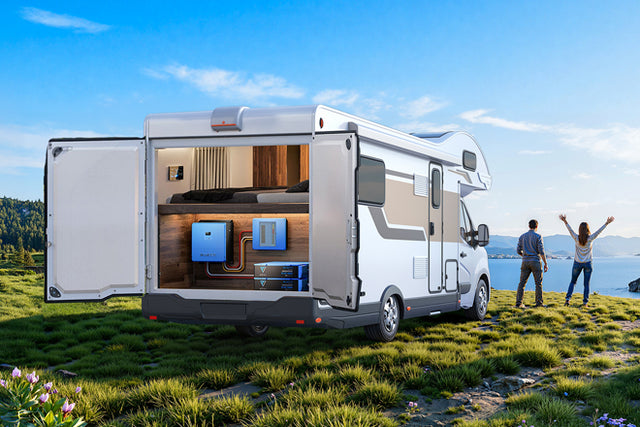
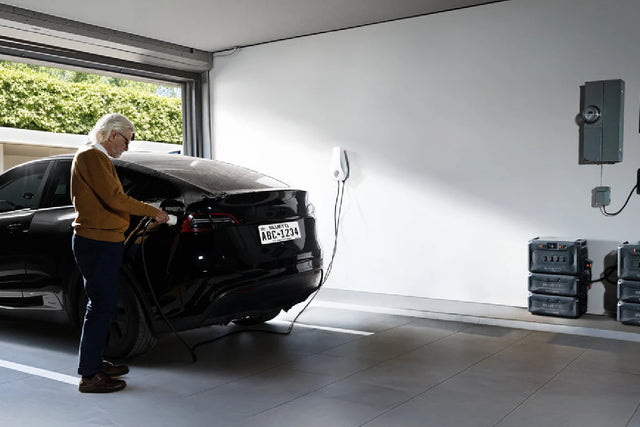
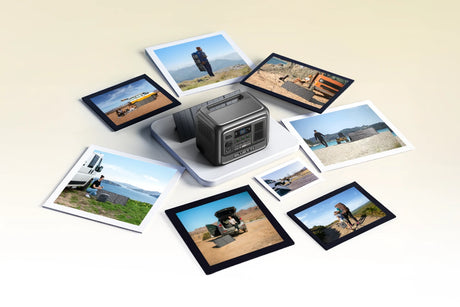
Power backup systems are becoming increasingly popular in Australian households that are looking to lower electricity costs.
These systems offer a great way to reduce dependence on the grid and allow you to take advantage of renewable energy.
Another key benefit of portable power stations is the ability to charge during off-peak periods when the electricity is much cheaper and then use the stored power during peak times.
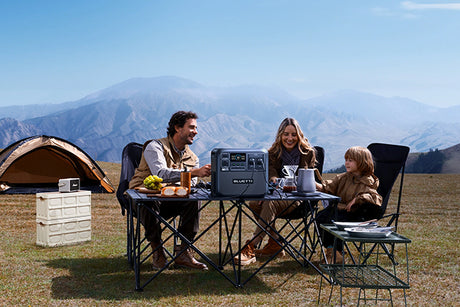
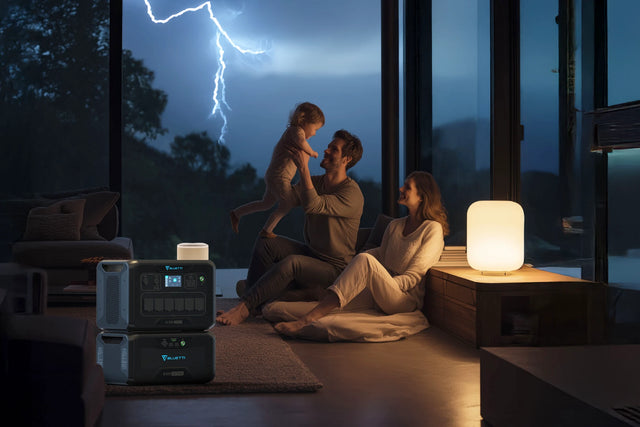
This simple method can significantly lower your overall energy costs. Backup systems also give you peace of mind during power blackouts and help keep essential appliances such as fridges, lights, medical devices, and communication equipment running.
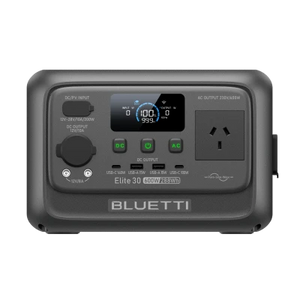
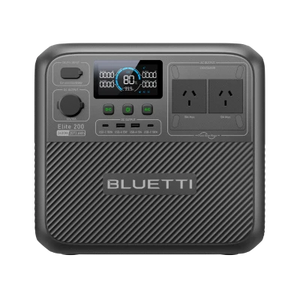
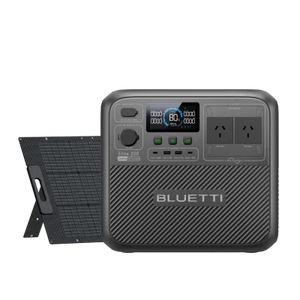
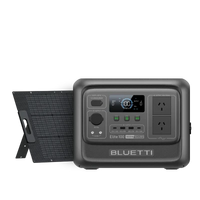
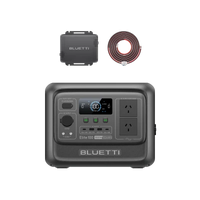
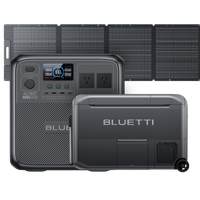
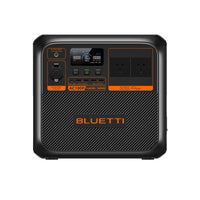
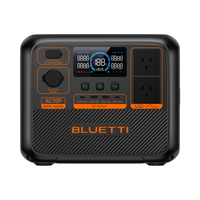
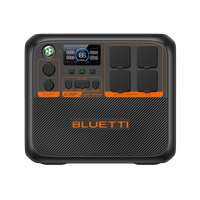
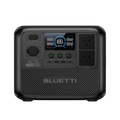
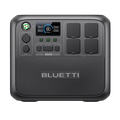
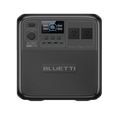
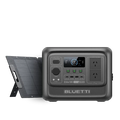
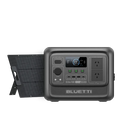
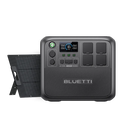
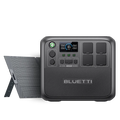
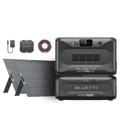
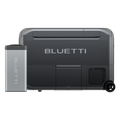
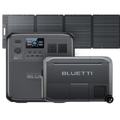
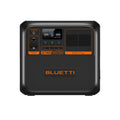
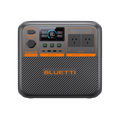
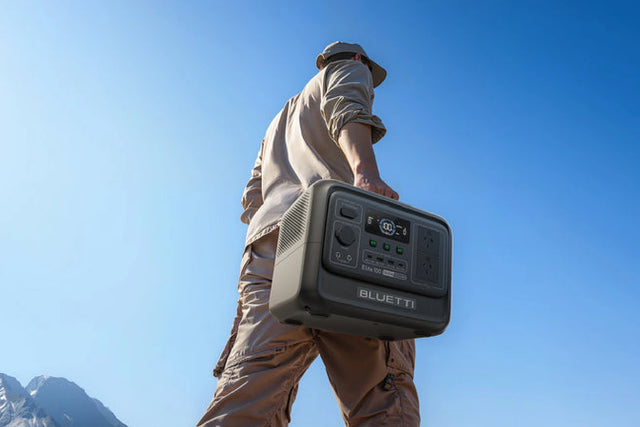
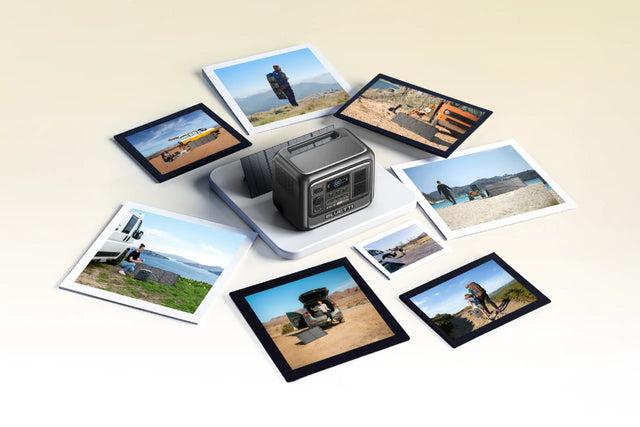
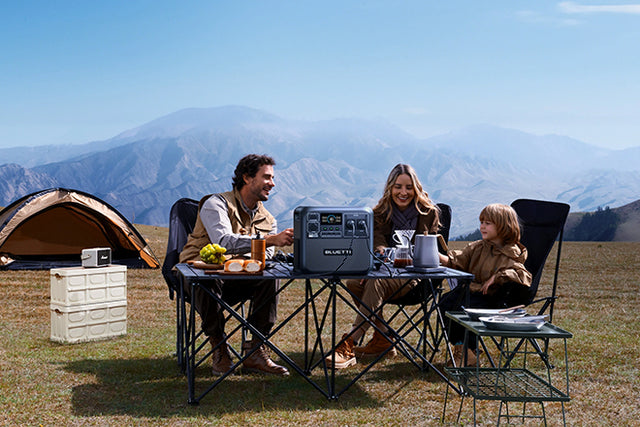
For households that want a high-capacity power solution, the BLUETTI Elite 200 V2 is a great option. It offers 2,600W output and a 2,073.6Wh capacity. This means it can support essential household needs for 2–3 days, depending on usage, and can comfortably run the fridge, lighting, laptops, routers, and other small appliances.
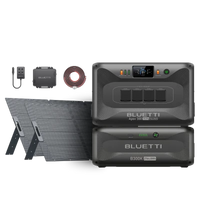
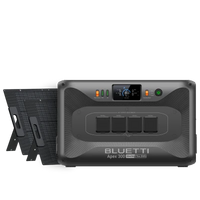
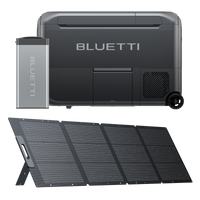
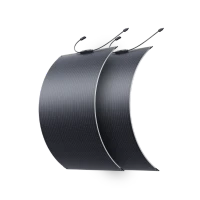
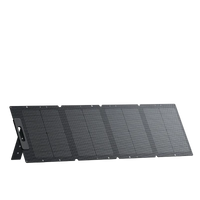
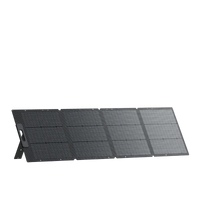
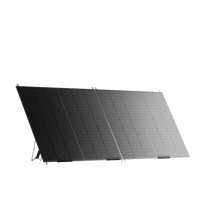
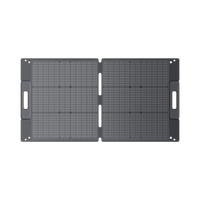
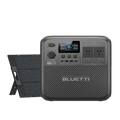
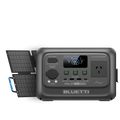
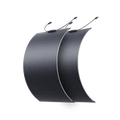
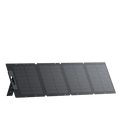
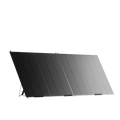
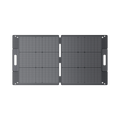
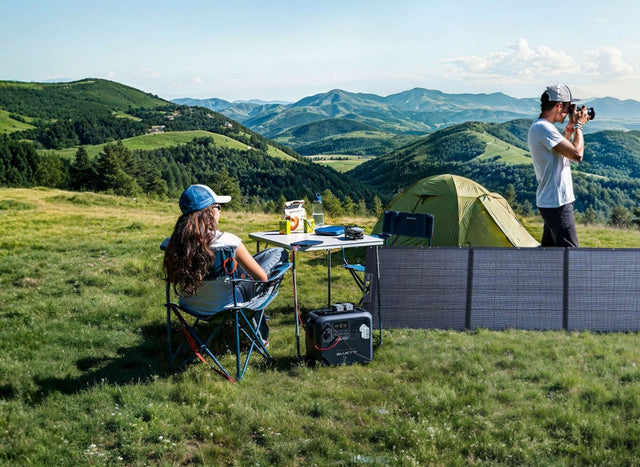
Pairing the portable power station with the BLUETTI Portable Solar Panels adds another level of savings. Solar charging allows you to replenish the battery during the day for free. These portable solar panels are lightweight, easy to position, and excellent for renters who can't install rooftop solar panels.

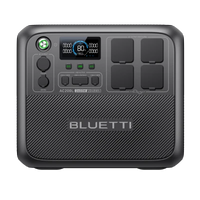
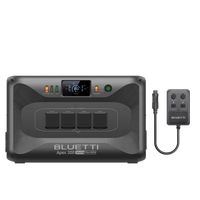
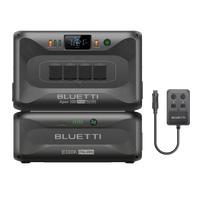
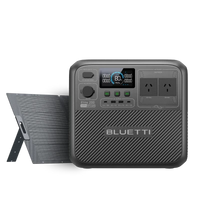
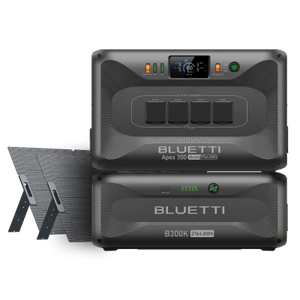
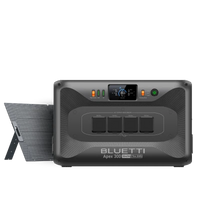
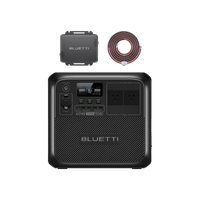
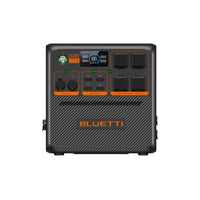
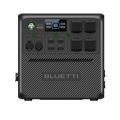
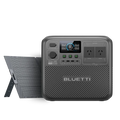
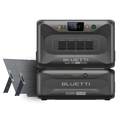
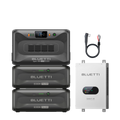
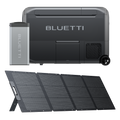
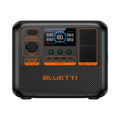
For the heavier household power demands, the BLUETTI Apex 300 offers 3,840W output and 2,764.8Wh capacity. It can simultaneously power multiple appliances, including the microwave, kettle, and heater, as well as power tools.
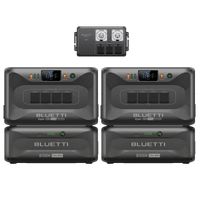
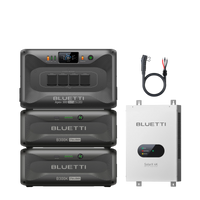
The modular design means that you can expand capacity by connecting more battery modules, which will make it easier to meet your household's power needs.
Most modern power backup systems will come with monitoring apps that enable you to keep tabs on usage, charging, and power savings. This makes backup power systems not just a security measure but also a great tool for bringing down your electricity bills.
Portable solar panels can recharge the station for free during daylight, potentially saving $200–$500/year on grid power for light-to-moderate use.
Conclusion
A two-person household in Australia will have an average electricity bill in 2026 of around $400–$500 per quarter. This figure, however, will vary by state, usage, and overall home efficiency. The great news is that with a bit of clever smart energy practice, power-efficient appliances, and good usage, households can significantly lower their energy costs. Getting solar, battery storage, or portable power stations will reduce reliance on the grid while keeping appliances running during those outages. To maximise savings, it's also a good idea to regularly compare retailers to help choose plans that suit your lifestyle. With the right strategy, managing energy costs becomes much simpler and far more achievable.