
Battery High-Temperature Performance: Heat, Output, Charging and Lifespan

Heat can change battery output, charging behaviour and ageing even before a safety shutdown occurs. High temperature may temporarily trigger power limits or BMS protection, while repeated exposure can accelerate degradation. Safe operating, charging and storage limits are product-specific, so the manufacturer’s published temperature ranges should always take priority over generic chemistry rules.
During hot Australian summers, batteries stored in sheds, vehicles, caravans and outdoor work areas can face prolonged heat exposure. Even if a battery continues to operate, high temperatures may affect how much power it can deliver, whether it can accept a charge, and how quickly its capacity degrades over time.
This guide explains how heat affects battery performance during use, why charging and discharging have different temperature limits, how lithium battery chemistries respond to heat, and what you can do to protect your battery in hot weather.

How Does High Temperature Change Battery Performance During Use?
Lithium battery high-temperature performance can change while the battery is still supplying electricity. Moderate warmth may make it easier for cells to deliver current, but as internal temperatures climb, the usable continuous output can fall. A device that normally runs steadily may receive less power, or its supply may be interrupted when the system reaches a thermal protection threshold.
High temperatures do not necessarily reduce stored energy immediately. However, thermal protection can limit how much energy the system makes available during use, while prolonged heat exposure can permanently reduce battery capacity through ageing.
The temperature inside a working battery can be higher than the surrounding air, particularly during sustained high-power use. As a result, battery performance in hot weather may deteriorate even when the unit remains switched on. These are immediate changes to power delivery; the separate effects of prolonged heat on battery lifespan are covered later.
Ambient operating temperature refers to the surrounding air, internal battery temperature reflects conditions inside the pack, and storage temperature limits apply when the battery is not in use. These are different measurements and operating conditions, so their limits should not be treated as interchangeable.
In a portable power station, the cells and inverter operate inside the same enclosure. Heat from a demanding AC appliance adds to the heat coming from the environment, so the station may be unable to maintain its full rated output during a hot afternoon. This explains why actual power available during use can differ from the specification measured under normal conditions.
How Can Heat Affect Battery Charging and Discharging?
Heat can restrict the energy a battery accepts during charging and the power it delivers while discharging. The effects appear at different stages of operation.
Charging limits can tighten before the battery reaches its discharge limit
Charging and discharging place different demands on the cells. Charging pushes energy into the battery and creates additional heat, while discharging supplies energy to connected devices. Some battery management systems therefore begin restricting charge current at lower internal temperatures than those that limit discharge. In those systems, a hot battery may continue powering a device even though it cannot accept more charge.
High temperature can reduce charge acceptance or activate protective shutdowns
As a battery approaches its charging-temperature limit, its controller may progressively reduce the incoming current, making a recharge take longer. At the limit, charging may stop until the pack cools. The BLUETTI Elite 100 V2, for example, specifies charging from 0°C to 40°C and discharging from -20°C to 40°C. These published ranges provide the limits for that model; a paused charging session should only resume once its temperature is back within the approved charging range.


BLUETTI Elite 100 V2 Portable Power Station | 1,800W 1,024Wh
1,000W Max Solar Input
10ms UPS Response Time
4,000+ Life Cycles to 80% Capacity
Lightweight and Portable (Only 25 lbs)
Ideal for Camping and Home Backup

Available power depends on the specific chemistry, cell design, and control system
Lithium battery heat derating is a reduction in the power available for connected loads as temperatures rise. Cell chemistry and internal resistance affect how much heat develops, while the cooling system, BMS current limits, and inverter determine when output power is reduced. For example, a power station might run a high-wattage appliance normally in mild weather but restrict its AC output after sustained use in a hot enclosure. Batteries with similar capacities can therefore deliver different continuous power under the same conditions.
How Does Repeated Heat Exposure Affect Battery Life and Safety?
High temperature accelerates many ageing reactions inside lithium batteries. Even when the pack remains below an emergency shutdown threshold, spending long periods hot can increase side reactions, raise internal resistance, and reduce the capacity available after many cycles. High state of charge can worsen the effect of heat during storage, which is one reason many manufacturers specify cooler long-term storage conditions and recommend a partial state of charge for extended storage.
Safety risk also rises if heat is combined with physical damage, manufacturing defects, overcharge, or poor ventilation. A healthy, well-managed battery should use sensors and protective controls, but protection is not permission to operate carelessly. If a pack becomes swollen, leaks, smells unusual, or remains abnormally hot after the load is removed, stop using it and follow the manufacturer and local battery-disposal guidance.
Calendar ageing can also occur while the battery is not cycling. For equipment that will sit unused through a hot period, follow the model’s storage-temperature and state-of-charge guidance rather than leaving it fully charged in a shed, vehicle or sealed enclosure.
Do Lithium Battery Chemistries Respond to Heat in the Same Way?
No. Different lithium battery chemistries respond differently to high temperatures. LiFePO4 high-temperature performance is generally characterised by greater thermal stability, while NMC and LCO batteries have different heat tolerances and safety characteristics.
Battery Chemistry |
Thermal Stability |
Response to High Temperatures |
LiFePO₄ (LFP) |
High |
Better resistance to overheating and thermal runaway. |
NMC (Nickel Manganese Cobalt) |
Moderate; varies with nickel content |
Greater thermal instability, especially in nickel-rich cells. |
LCO (Lithium Cobalt Oxide) |
Generally lower than LFP |
Higher thermal runaway risk under severe overheating. |
These differences explain why LFP is widely used in batteries prioritising durability and thermal stability, including the BLUETTI LiFePO₄ Battery. NMC and LCO are often chosen where compact energy storage matters more. All three chemistries can still experience reduced performance and faster ageing when operated too hot; the actual permissible charging and discharging temperatures are specified for each finished battery system.

B4810 LiFePO₄ Battery | 51.2 V, 100 Ah
Learn MoreHow to Protect Batteries in Hot Australian Conditions
The best approach is to prevent unnecessary heat exposure and keep the battery inside its documented operating envelope. That usually costs less and preserves more capacity than trying to recover performance after repeated overheating.
Keep Batteries Out of Direct Sun and Enclosed Hot Spaces
Shade the battery and avoid closed vehicles, metal boxes, or unventilated sheds that can become much hotter than ambient air. Do not assume that an outdoor rating means direct-sun storage is acceptable. If equipment must operate outside, place it where air can circulate and where radiant heat from roofs, engines or hot paving is minimised. Check the temperature at the battery, not only the weather forecast.
Maintain Required Ventilation and Clearance
Batteries, inverters and chargers generate heat during operation, so adequate ventilation helps them release it. Keep air intakes and exhaust vents unobstructed, and leave the clearances specified in the product manual rather than placing a unit tightly against a wall or inside a sealed cupboard. Avoid directing hot exhaust air back towards the equipment, especially during sustained high-power use.
Avoid Charging Outside the Manufacturer’s Temperature Range
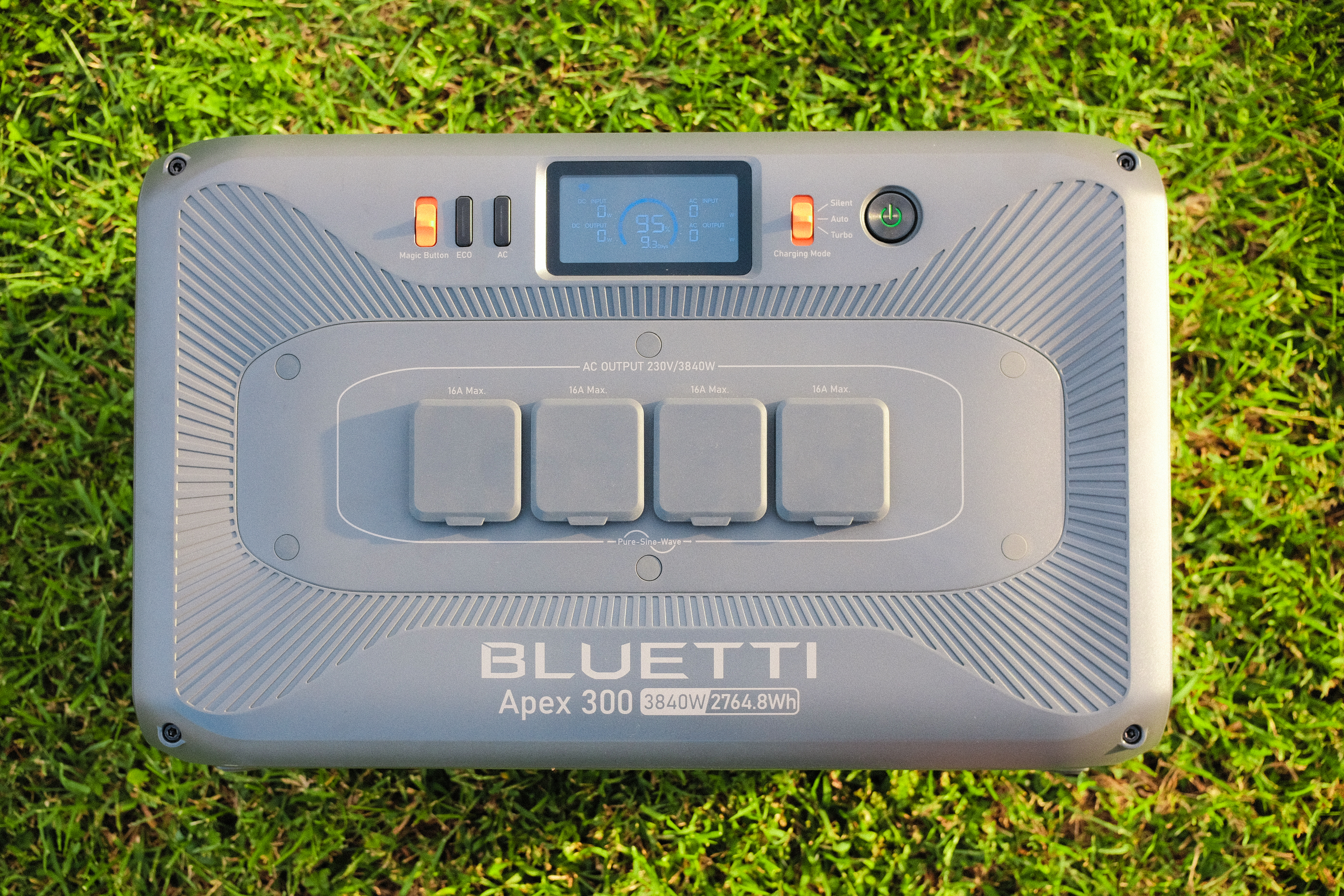
A battery that has been standing in a hot vehicle or shed may be too warm to recharge, even after the surrounding air cools. Check the charging-temperature range for your model before connecting a power source. For example, the BLUETTI Apex 300 permits charging between 0°C and 40°C; if the battery is hotter than that, let it cool in a dry, ventilated place before charging.
Let an Overheated Battery Cool Before Use or Charging
If a healthy battery is simply hot from normal use, disconnect high loads and charging, place it in a dry, ventilated location away from flammable material, and wait for it to return to its approved range. If it shows swelling, leakage, venting, smoke, a strong odour or unusual self-heating, treat it as damaged rather than merely warm and follow local emergency or disposal guidance.
Conclusion
Heat affects batteries in two ways: it can create immediate operating limits, and it can accelerate long-term ageing. Charging limits may be tighter than discharge limits, and the response varies by chemistry, pack design and BMS settings. In hot Australian conditions, the safest strategy is simple—keep batteries shaded and ventilated, follow model-specific temperature ranges, and stop using any pack that develops damage or abnormal heat. If you are looking for a reliable power solution for home backup or outdoor use, BLUETTI offers a range of portable power stations and battery systems to suit different power needs.
Frequently Asked Questions
Often no. Many lithium batteries have a narrower charging range than their possible discharge range because charging reactions require tighter control. Check the specific manual for separate charging, discharging, and storage limits. If a battery has been exposed to heat, being able to power a device does not automatically mean it is within the approved temperature range for charging.

Shop Products for This Article


You May Also Like