
Heatwave Power Outage: How to Stay Safe During a Blackout in Australia

During a heatwave power outage, block incoming heat, cool your body with water, stay hydrated, and check on people who need help. Move to an air-conditioned place when you cannot keep cool at home. Recognise heat illness early, protect temperature-sensitive food and medicines, and have backup power ready for chosen essentials.
During a power outage in hot weather, a home that felt comfortable an hour ago can become difficult to cool. The fan is silent, the air conditioner is off, and opening the windows may let even hotter air inside.
That leaves a practical decision: can you keep the people in your home comfortable where they are, or is it time to go somewhere cooler? A useful heatwave plan helps you make that call early, while small actions can still make the next few hours easier.

What Should You Do First During a Heatwave Outage?
Use the first few minutes to check the situation, block incoming heat, and contact anyone who may need help. Make the next decision while the house is still manageable.
Check Outage Status and Heat Alerts
Open your electricity distributor’s outage map on your phone and check the affected area and latest restoration update. Then read the Bureau of Meteorology’s heatwave warnings for your location, including how long hot conditions may last overnight. Follow state emergency alerts if fire, smoke, or evacuation warnings affect your area.
Reduce Heat Entering Your Home
Close curtains or blinds on windows receiving direct sun and close doors to unused, hot rooms. Keep outside air out while it is hotter than indoors. Move everyday supplies into the coolest room so you can settle there without repeatedly crossing the house.
Check on People and Equipment at Risk
Call or visit anyone in your household or support circle who may need help. Ask whether they have water, a cooler place to sit, and a way to leave if needed. For someone using powered medical equipment, check the device’s backup supply and contact the equipment provider or care team early if the outage could outlast it.
Move Somewhere Cooler if Your Home Becomes Unsafe
Move to an air-conditioned home, public building or operating relief centre when you cannot keep cool indoors. Arrange the trip while everyone can still travel safely. Fans do not lower the room temperature, and their cooling benefit depends on heat, humidity and individual circumstances. During extreme heat (around 39 degrees and above), especially when fans and other measures are not keeping people cool, moving to an air-conditioned location is the safer option.
How to Stay Cool During a Power Outage
Stay Hydrated and Limit Physical Activity
Keep water within reach and drink regularly, even before you feel thirsty. If your clinician has prescribed a fluid limit, follow the hot-weather amount agreed with them. Put exercise, gardening and heavy housework aside during the hottest hours; resting reduces the extra heat your body produces.
Cool Your Body With Water and Damp Cloths
Take a cool shower, sponge your skin, or use a spray bottle. A damp cloth around the neck and shoulders or your feet in cool water can help when a shower is inconvenient. Wear loose, light clothing and re-wet cloths as they warm up. These methods work without mains electricity.
Use Cooler Rooms and Night-Time Ventilation
Use a shaded downstairs room or one away from the afternoon sun. When outdoor air becomes cooler than indoors and is not affected by smoke, open windows on opposite sides to let warm air escape. Close them and the blinds again before the next day’s outdoor heat builds.
Who Is Most at Risk During Extreme Heat?
Age, health, medication, and access to support can all increase vulnerability. These are some of the people at greater risk of heat-related illness during an outage:
People at greater risk |
What increases the risk |
|---|---|
Adults over 65 |
Age-related changes can make cooling and recognising heat stress harder. |
Babies and young children |
They depend on adults for feeding, fluids, clothing and cooler surroundings. |
Pregnant people |
Pregnancy increases cooling demands and the risk of dehydration. |
People with chronic or acute illness |
Heart, lung or kidney disease, diabetes, fever and gastroenteritis can increase vulnerability. |
People taking certain medicines |
Some medicines affect sweating, thirst or fluid balance. |
People living alone, with limited mobility or without cool shelter |
Help, water and a cooler destination may be harder to reach. |
Outdoor workers and people doing strenuous activity |
Physical effort and prolonged heat exposure add to the body’s heat load. |
When Should You Get Medical Help for Heat Illness?
Persistent heat-exhaustion symptoms need medical advice. Suspected heatstroke needs an ambulance immediately, with cooling started while help is on the way.
Heat Exhaustion Warning Signs
Heavy sweating, thirst, cramps, weakness, headache, dizziness, or nausea can indicate heat exhaustion. Stop activity, move the person somewhere cooler, loosen excess clothing and cool their skin. Offer small sips of cool water or oral rehydration solution if they are fully alert and able to swallow.
If symptoms persist, contact a doctor or Healthdirect on 1800 022 222. If the person is very unwell and symptoms do not improve within 10 minutes of cooling and rehydration, call 000.
Heatstroke Emergency Signs
Call 000 immediately for suspected heatstroke. Confusion, unusual behaviour, slurred speech, poor coordination, seizures or loss of consciousness in someone exposed to heat are emergency signs. Act on those symptoms even if you do not have a thermometer.
Move them into shade or a cool room, remove extra clothing, and wet their skin with cool water. Fan the damp skin and keep cooling while waiting for the ambulance. Give drinks only if they are fully conscious and can swallow normally. If unresponsive and not breathing normally, begin CPR and follow the 000 operator’s instructions.
How Can You Protect Food and Medicines?
Note when the power went off and keep cold air in by keeping fridge and freezer doors closed. Move perishable food into another working fridge or an esky with ice packs early if the outage is likely to continue. Use a thermometer to keep that food at 5°C or below.
Apply the 2-hour/4-hour rule to perishable food such as meat, dairy and leftovers once it is between 5°C and 60°C. Add together all time spent in that range:
-
Under 2 hours: use the food or return it to refrigeration at 5°C or below.
-
From 2 to under 4 hours: use it immediately rather than saving it for later.
-
At 4 hours or longer: discard it.
-
If you cannot establish the time or temperature history, discard high-risk perishable food.
For refrigerated medicines, follow the product’s labelled storage temperature and the emergency storage plan from your pharmacist. Use an insulated container with cool packs when that plan calls for it, keeping the medicine separated from freezing surfaces. Keep medicines in their original packaging so names, doses and storage instructions travel with them.
If a medicine has warmed up, tell the pharmacist which product it is, how long it was out of refrigeration, and any temperature reading you have. Ask about continued use and replacement promptly so essential treatment can continue.
How Can You Prepare for the Next Heatwave?
Prepare when hot weather is forecast, before you need to manage a warm house in the dark. Put supplies, transport and backup power in place while they are easy to organise.
Prepare Water and Cooling Supplies
Keep water, ice and a cooler box ready, along with refillable bottles, a spray bottle, light towels and a battery-powered or rechargeable fan. Freeze cool packs ahead of time. Before the heat arrives, close sun-facing blinds and pre-cool the rooms you plan to use while mains power is available.
Arrange Backup Power for Essential Devices
Choose the devices you want to keep running—such as a fan, fridge, router, and phone chargers—then compare portable power stations by combined running watts, starting demand, and the energy needed for your planned hours. Charge the unit and test those devices on battery power before the warning period. Put the station and charging leads where you will use them.
The BLUETTI Elite 200 V2 provides 2,073.6 Wh of storage and 2,600 W AC output for a focused group of household essentials. Set it up near the devices you want to support, giving refrigeration, a fan, and communications their own ready source of power. It suits a plan built around selected appliances you can plug in directly.


BLUETTI Elite 200 V2 Portable Power Station | 2,600W, 2,073.6Wh
1,000W Max Solar Input
15ms UPS Response Time
6,000+ Life Cycles to 80% Capacity
MPPT Controller, BMS, and More
Ideal for Home Backup and Outdoor Adventures

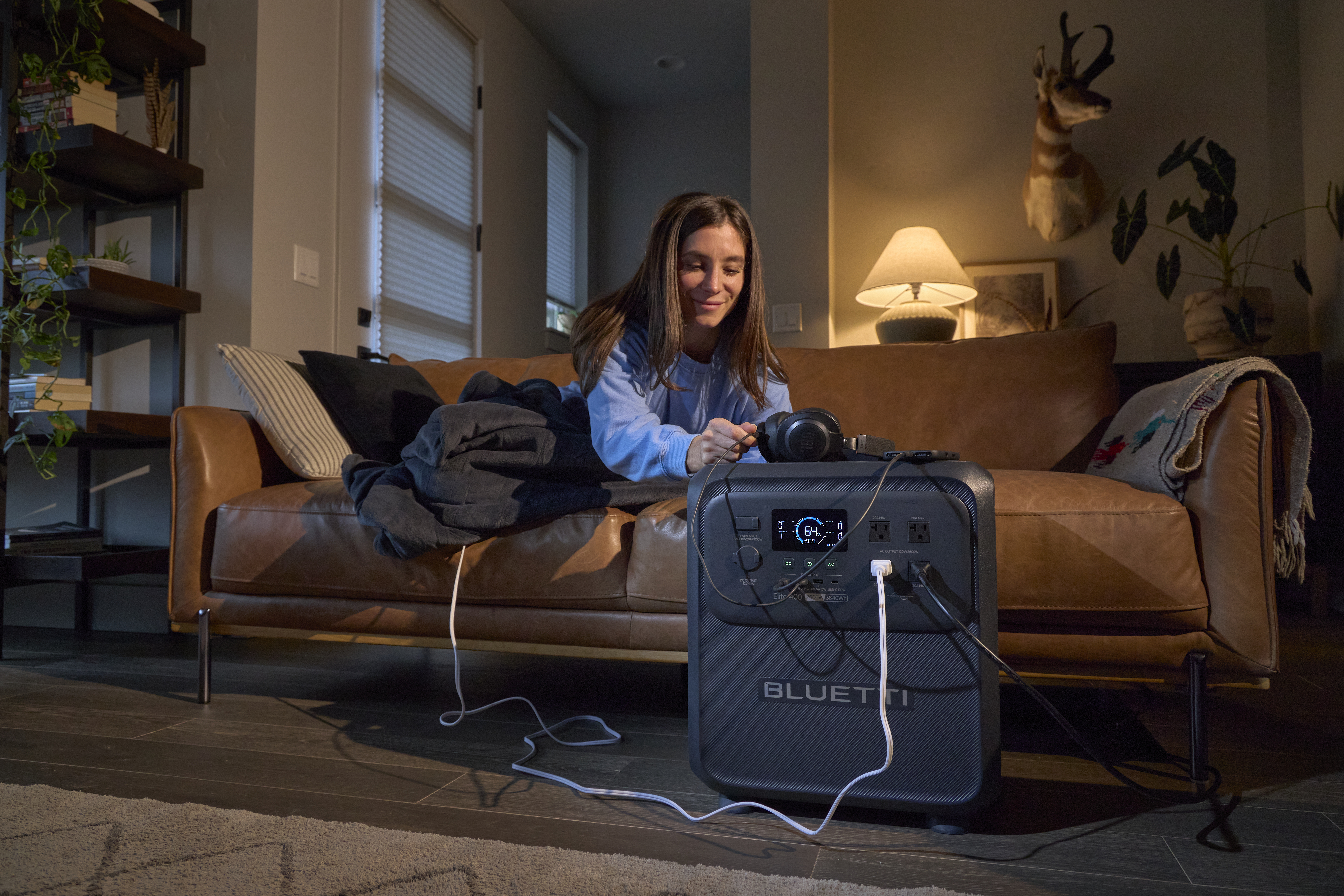
For more time between recharges, the BLUETTI Elite 400 increases storage to 3,840 Wh while retaining 2,600 W of rated AC output. The extra energy extends the same chosen loads, and its wheels and handles help you position it around the home. Choose it when a larger reserve matters more than the smaller battery’s footprint.


BLUETTI Elite 400 Portable Power Station | 3,840Wh 2,600W
- 3,840 Wh capacity
- Up to 1.3× longer runtime
- 2,600 W rated / 3,900 W Lifting Power
- 0-80% in 70 Min (2,800W)
- Lightest 3.8kWh Power Station(39 kg)
The actual backup time depends on the combined power consumption of the devices you run. Prioritising a fan, refrigeration and communication equipment helps make the stored energy go further, but backup power should complement—not replace—a plan to reach a cooler location when indoor heat becomes unsafe.
If you want selected existing circuits to stay powered automatically, plan an installed home battery backup system around those circuits. Have the installer include the refrigeration, lighting, and communications outlets you want available during an outage, then test that arrangement before summer.
Identify Cooling Centres and Alternative Accommodation
Choose an air-conditioned destination and a second option, such as a relative’s home in another area, a library or a shopping centre. Check opening hours, accessibility and transport in advance. For an overnight outage, arrange somewhere you could stay after public buildings close. Pack medicines, essential equipment and contact details so they are ready to go.
Set Up Emergency Alerts and Check-In Plans
Save your distributor’s outage page and enable local emergency and weather notifications. Keep the key numbers available offline as well. Agree who will call or visit relatives and neighbours, when those check-ins will happen, and who will help if someone needs transport. Charge phones and power banks before the hot period begins.
Conclusion
A useful heatwave outage plan gives you clear actions and a cooler place to go. Start cooling the home and the people in it early, keep in contact with anyone who needs support, and act promptly when someone becomes unwell. Preparing those decisions ahead of time makes backup supplies and stored power more useful when the heat arrives.
Frequently Asked Questions
Yes. High temperatures can increase demand and strain network equipment, raising the risk of outages. Heatwaves can also coincide with bushfires and other network faults. Your distributor’s updates identify what is affecting the local supply.

Shop Products for This Article


You May Also Like